
Welcome to the El Paso Limb Loss Resource Network
This website was developed as part of an Occupational Therapy Doctoral Capstone project at The University of Texas at El Paso in collaboration with the Custom Orthotics and Prosthetics Clinic in El Paso to provide individuals with limb loss, prosthetic users, caregivers, and healthcare professionals with access to local resources, education, support, and community connections throughout the El Paso region.
Whether you are newly adjusting to limb loss or have been using a prosthesis for years, our goal is to help you find the support and resources needed to maintain independence, health, and quality of life.
Special Thanks:
I would like to extend my sincere gratitude to Custom Orthotics and Prosthetics and Mr. Fabian Calderon for their invaluable support, guidance, and contributions throughout my capstone experience. Their willingness to share their knowledge, clinical expertise, and real-world insight into prosthetic care significantly enriched both my professional growth and the development of this project.
Mission Statement:
To improve access to resources, education, peer support, and community engagement opportunities for individuals living with limb loss in the Borderland region.
Disclaimer: The images, videos, and other media displayed on this website are provided for educational and informational purposes only. All visual content remains the property of its respective owners.
About Limb loss
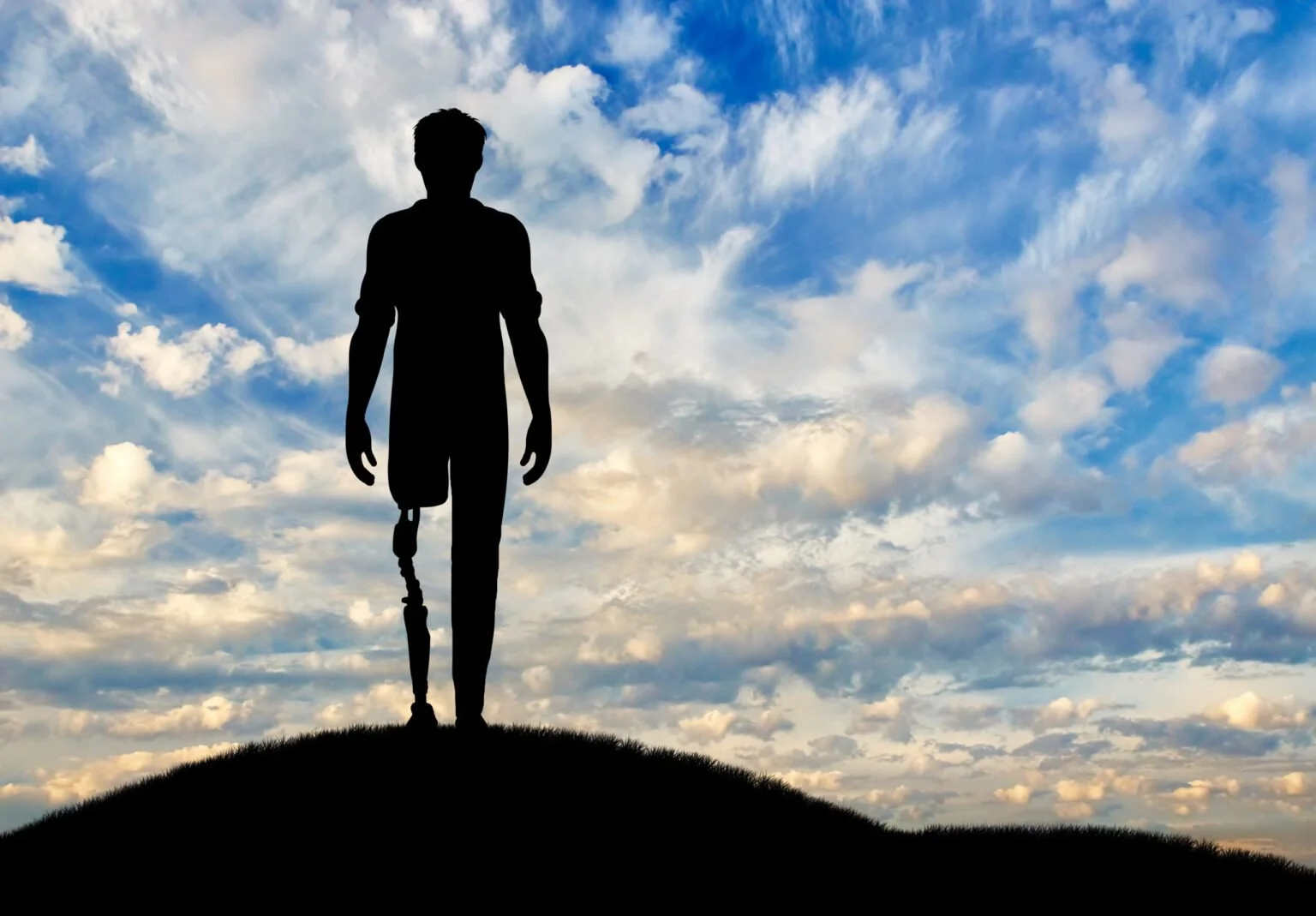
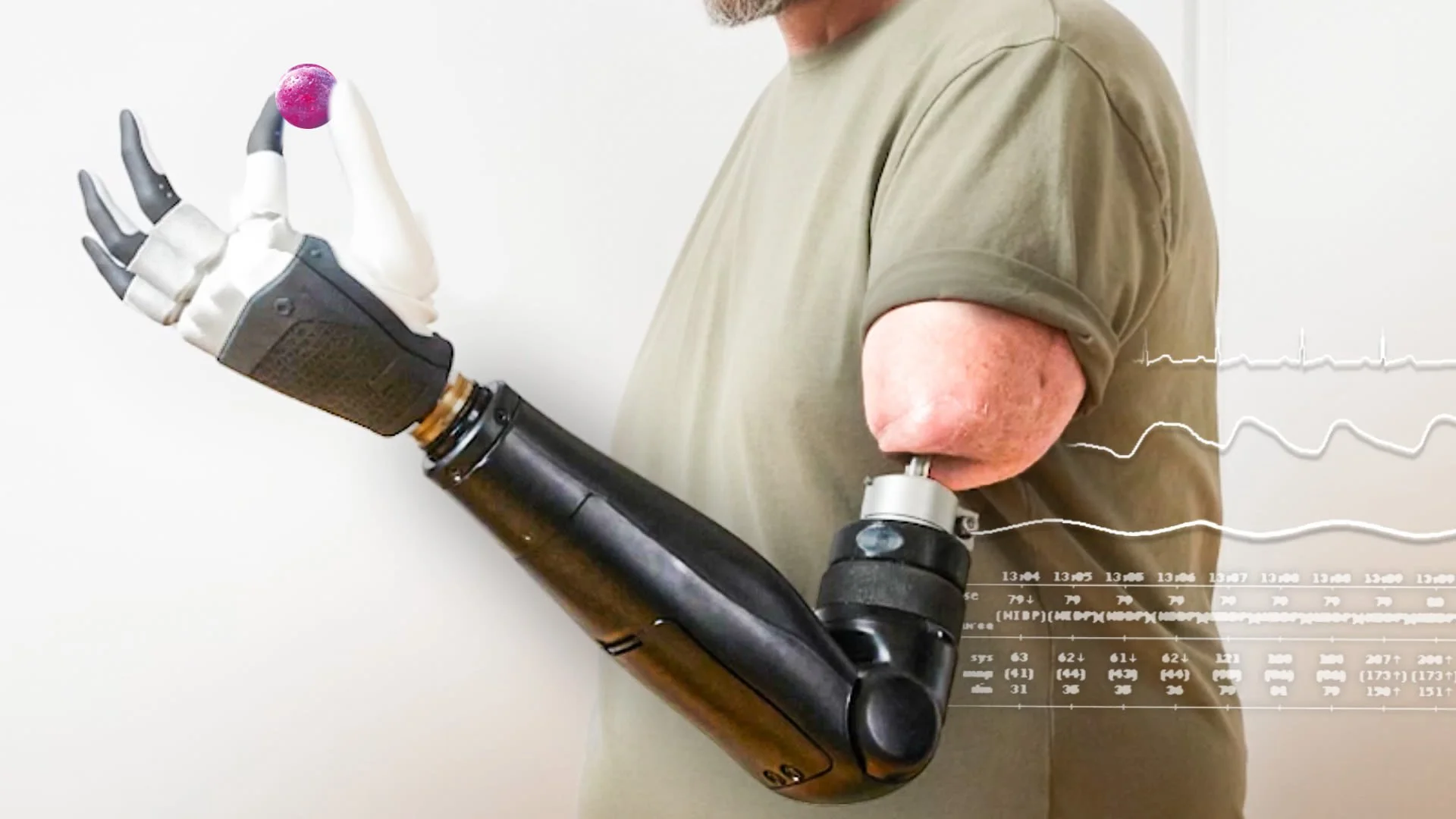


Limb loss can be a life-changing experience that affects many aspects of a person's life, including physical function, emotional well-being, relationships, work, and participation in meaningful activities. Whether limb loss occurs suddenly due to trauma or develops gradually because of a medical condition, recovery is a journey that requires support, education, and access to appropriate resources.
This page is designed to provide information for individuals with limb loss, family members, caregivers, and healthcare professionals. Understanding the causes of limb loss, available treatment options, and rehabilitation services can help individuals regain independence and improve their quality of life.
Understanding Limb Loss
Limb loss refers to the absence of all or part of an arm or leg. Limb loss may occur at birth (congenital limb difference) or later in life due to injury, illness, or surgery.
According to national estimates, millions of Americans live with limb loss or limb differences. While each person's experience is unique, many individuals successfully return to work, school, recreation, and community activities with the help of rehabilitation and supportive services.
Causes of Amputation
An amputation is the surgical or traumatic removal of a limb or part of a limb. There are several reasons why an amputation may occur.
Trauma
Traumatic amputations occur suddenly due to injuries such as:
Motor vehicle accidents
Motorcycle accidents
Industrial or workplace injuries
Military combat injuries
Farming accidents
Severe burns or crush injuries
Traumatic amputations are often unexpected and can create significant physical and emotional challenges during recovery.
Vascular Disease
Poor blood circulation can damage tissues and prevent wounds from healing. Conditions associated with vascular-related amputations include:
Peripheral artery disease (PAD)
Chronic wounds
Severe infections
Poor circulation
Diabetes
Diabetes is one of the leading causes of lower-limb amputations. High blood sugar levels can contribute to:
Nerve damage (neuropathy)
Poor circulation
Foot ulcers
Infection
Regular foot care and early medical intervention can help reduce the risk of amputation.
Cancer
Certain bone and soft tissue cancers may require surgical removal of a limb to prevent the spread of disease.
Infection
Severe infections that cannot be controlled through medication or surgery may lead to amputation to protect overall health.
Congenital Limb Differences
Some individuals are born with partial or complete absence of a limb. These differences develop before birth and are not caused by injury or disease.
Types of Limb Loss
Upper Extremity Limb Loss
Upper extremity amputations involve the arm or hand and may include:
Partial hand amputation
Wrist disarticulation
Transradial (below-elbow) amputation
Elbow disarticulation
Transhumeral (above-elbow) amputation
Shoulder disarticulation
These amputations may affect activities such as dressing, eating, writing, driving, and work-related tasks.
Lower Extremity Limb Loss
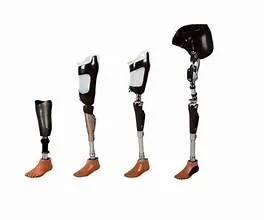
Lower extremity amputations involve the leg or foot and may include:
Partial foot amputation
Ankle disarticulation
Transtibial (below-knee) amputation
Knee disarticulation
Transfemoral (above-knee) amputation
Hip disarticulation
These amputations primarily impact mobility, balance, walking, transfers, and participation in community activities.
Prosthetic Devices
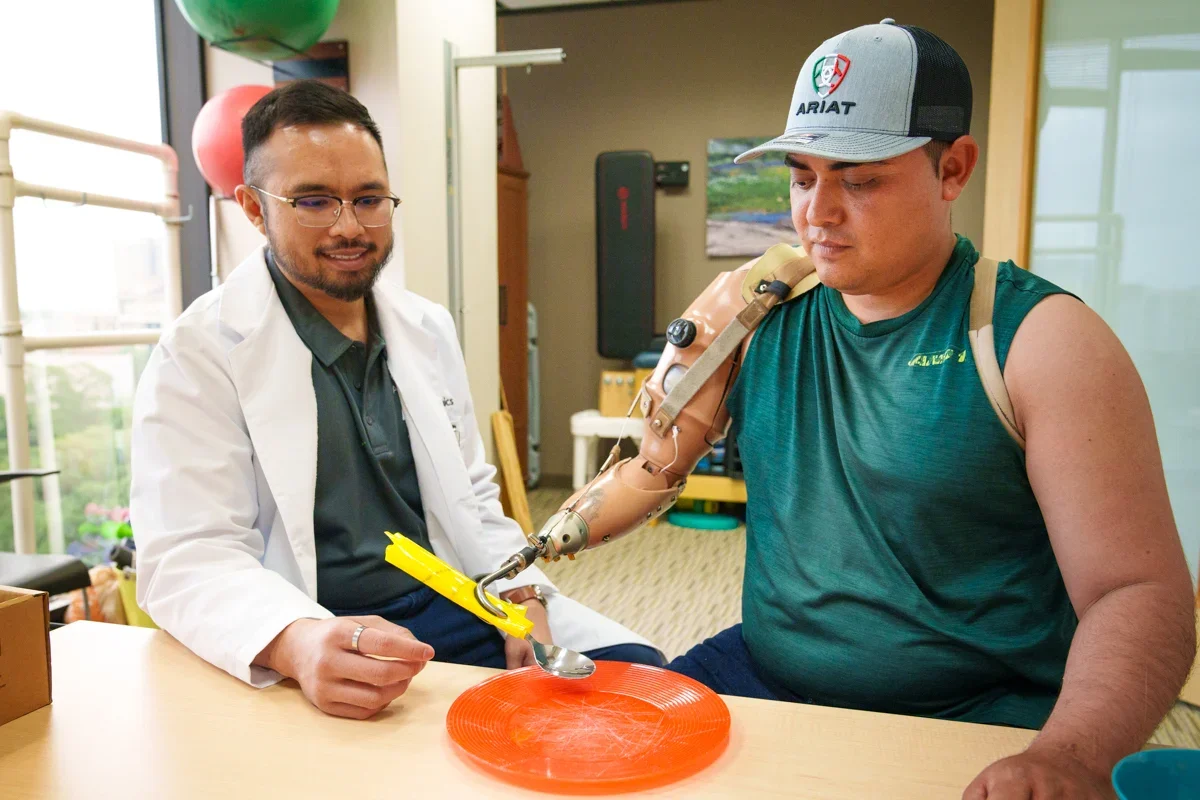
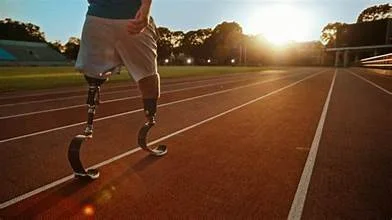
A prosthesis is an artificial device designed to replace a missing limb and help improve function, independence, and participation in daily activities.
Not every individual with limb loss chooses to use a prosthesis, and rehabilitation goals are individualized based on personal needs and preferences.
Upper Extremity Prostheses
Upper-limb prostheses may assist with:
Grasping objects
Carrying items
Self-care activities
Work and recreational tasks
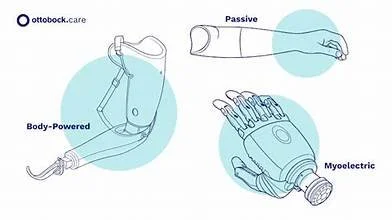
Types include:
Passive prostheses
Body-powered prostheses
Myoelectric prostheses
Activity-specific prostheses
Lower Extremity Prostheses
Lower-limb prostheses are designed to support:
Standing
Walking
Balance
Recreational activities
Components may include:
Prosthetic socket
Suspension system
Prosthetic knee
Prosthetic foot
Specialized adaptive components
Prosthetic Care
Proper prosthetic care is essential for comfort and safety.
Recommendations include:
Inspect skin daily
Clean liners and sockets regularly
Monitor for redness or irritation
Report pain or fit changes to your prosthetist
Attend routine follow-up appointments
Emotional Adjustment and Mental Health
Adjusting to limb loss involves more than physical healing. Many individuals experience emotional and psychological changes throughout the recovery process.
Common reactions may include:
Grief
Sadness
Anxiety
Anger
Frustration
Fear about the future
Changes in body image
Loss of confidence
These feelings are normal and may change over time.
The Grieving Process
Many people experience a grieving process similar to other significant life changes. Individuals may move through stages of:
Shock
Denial
Anger
Bargaining
Depression
Acceptance
Everyone's experience is different, and there is no "right" timeline for adjustment.
Building Emotional Resilience
Strategies that may help include:
Participating in support groups
Connecting with peer mentors
Maintaining social connections
Seeking counseling services
Practicing stress-management techniques
Engaging in meaningful activities and hobbies
Remember that seeking emotional support is an important part of recovery and overall wellness.
Phantom Limb Pain and Sensations
Many individuals experience sensations that seem to come from the missing limb.
Phantom Limb Sensation
Phantom limb sensations are feelings that the missing limb is still present. Individuals may report:
Tingling
Itching
Pressure
Warmth
Movement sensations
These experiences are common and do not necessarily indicate a problem.
Phantom Limb Pain
Phantom limb pain involves painful sensations that appear to originate from the missing limb.
Symptoms may include:
Burning
Cramping
Shooting pain
Stabbing sensations
Electric shock-like feelings
Treatment Options
Treatment may involve:
Medication management
Mirror therapy
Desensitization techniques
Physical therapy
Occupational therapy
Stress-management strategies
Prosthetic adjustments
Consult your healthcare provider if phantom pain interferes with daily activities or quality of life.
The Importance of Rehabilitation
Rehabilitation plays a critical role in helping individuals maximize independence, function, and participation in meaningful life activities.
Rehabilitation focuses on:
Healing and recovery
Mobility
Strength and endurance
Prosthetic training
Self-care skills
Home and community participation
Return to work or school
Quality of life
Recovery is not just about learning to use a prosthesis; it is about returning to the activities that matter most to you.
Occupational Therapy Services
Occupational therapy (OT) helps individuals participate in the activities that are meaningful and necessary in everyday life after experiencing limb loss. The purpose of OT is not only to support physical recovery, but also to address the emotional, psychological, and social adjustments that often come with changes in body function and identity.
From a physical standpoint, occupational therapists work to improve a person’s ability to complete daily activities as independently and safely as possible. Interventions may include:
Training in activities of daily living (ADLs) such as dressing, bathing, grooming, cooking, and eating
Teaching one-handed techniques or adaptive strategies when needed
Prosthetic education and training to improve functional use and confidence
Strengthening, range of motion, endurance, and energy conservation techniques
Upper extremity coordination and fine motor skill development
Recommendations for adaptive equipment and environmental modifications at home, work, or in the community
Return-to-work, school, recreation, and meaningful occupations
Activities of Daily Living (ADLs)
Dressing
Bathing
Grooming
Toileting
Feeding
Instrumental Activities of Daily Living (IADLs)
Cooking
Shopping
Home management
Financial management
Driving readiness
From an emotional and psychosocial standpoint, occupational therapy recognizes that limb loss can affect much more than physical ability. Individuals may experience grief, anxiety, frustration, changes in self-image, decreased confidence, or concerns about social participation and identity. Occupational therapists support emotional adjustment by:
Creating opportunities to process life changes and rebuild routines
Promoting coping strategies and stress management techniques
Encouraging participation in meaningful activities that restore purpose and identity
Supporting goal setting and rebuilding self-efficacy
Facilitating peer support, community engagement, and social participation
Addressing barriers that impact quality of life and emotional well-being
Ultimately, occupational therapy helps individuals move beyond adapting to limb loss and supports them in returning to meaningful roles, routines, and activities that contribute to independence, health, and overall quality of life.
Upper Extremity Rehabilitation
Strengthening
Coordination training
Prosthetic training
One-handed techniques
Home and Community Participation
Adaptive equipment recommendations
Home safety assessments
Community reintegration
Return-to-work planning
Emotional Support and Coping
Occupational therapists also address psychosocial concerns by helping individuals develop confidence, establish routines, and engage in meaningful occupations.
Physical Therapy Services
Physical therapists (PTs) help individuals improve mobility, strength, balance, and overall physical function.
Physical therapy may include:
Mobility Training
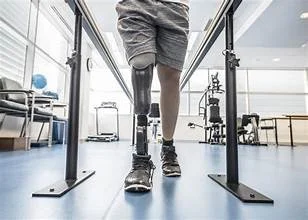
Walking with a prosthesis
Transfer training
Stair negotiation
Community mobility
Strength and Conditioning
Core strengthening
Residual limb strengthening
Cardiovascular fitness
Endurance training
Balance Training
Static balance
Dynamic balance
Fall prevention strategies
Pain Management
Residual limb pain management
Phantom pain interventions
Stretching programs
Manual therapy techniques
Prosthetic Gait Training
Physical therapists help individuals develop efficient and safe walking patterns while using a prosthesis.
Moving Forward
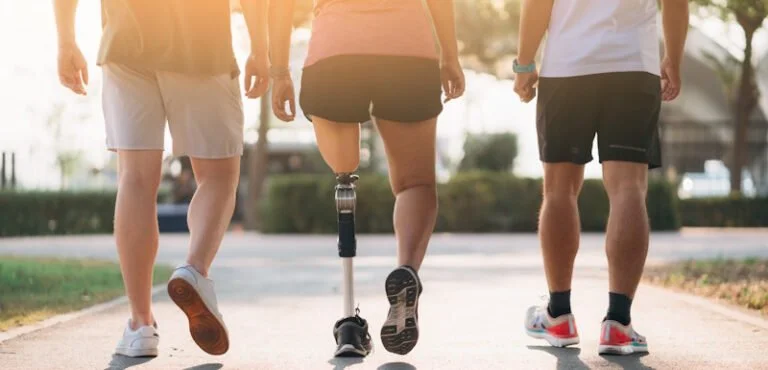
Living with limb loss presents challenges, but many individuals lead active, fulfilling lives through rehabilitation, support, and determination. Recovery is a journey that involves physical healing, emotional adjustment, and the development of new skills and strategies.
No matter where you are in your journey, you are not alone. Explore the resources available throughout the El Paso community, connect with support networks, and work with your healthcare team to achieve your personal goals and maximize your independence.
Browse resources
Events in El Paso
Adaptive Recreation

Discussion Board
Local Resources